
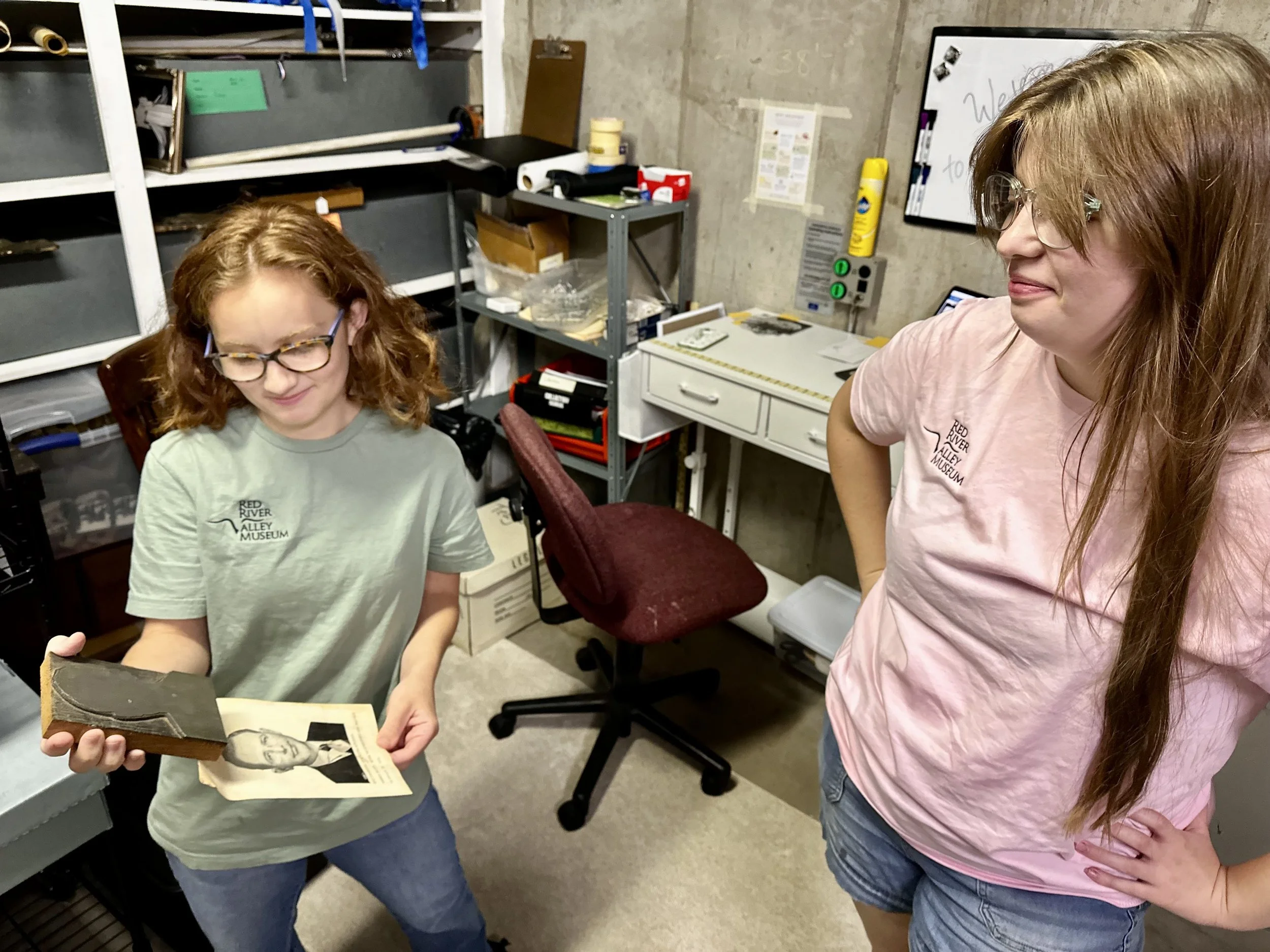
Object and Artifact Donations
Do you have something you think belongs in the Red River Valley Museum?
Every day, members of our community help us discover the stories, objects, photographs, and documents that make the history of our region so special. We are always interested in hearing about items that may help us preserve and share the history of Vernon, Wilbarger County, and the surrounding Red River Valley.
However, the Museum has a responsibility to carefully manage the collection we already have. Not every item offered to the Museum can or should become part of the permanent collection.
For that reason, we ask that you contact the Museum before bringing an item in for donation.
How the Donation Process Works?
-
Call 940-553-1848 or email cooper@rrvmuseum.org with a description of the item. Photographs are especially helpful!
-
All items will be referred to the Museum's Collections Committee for consideration.
-
The Red River Valley Museum reserves the right to decline any gift or bequest. An item being historically interesting or personally meaningful does not necessarily mean that it is appropriate for the Museum's collection.
-
If an item is accepted, the donor will complete and sign a Transfer of Ownership form. By signing this document, the donor transfers ownership of the item to the Red River Valley Museum and relinquishes their ownership rights.
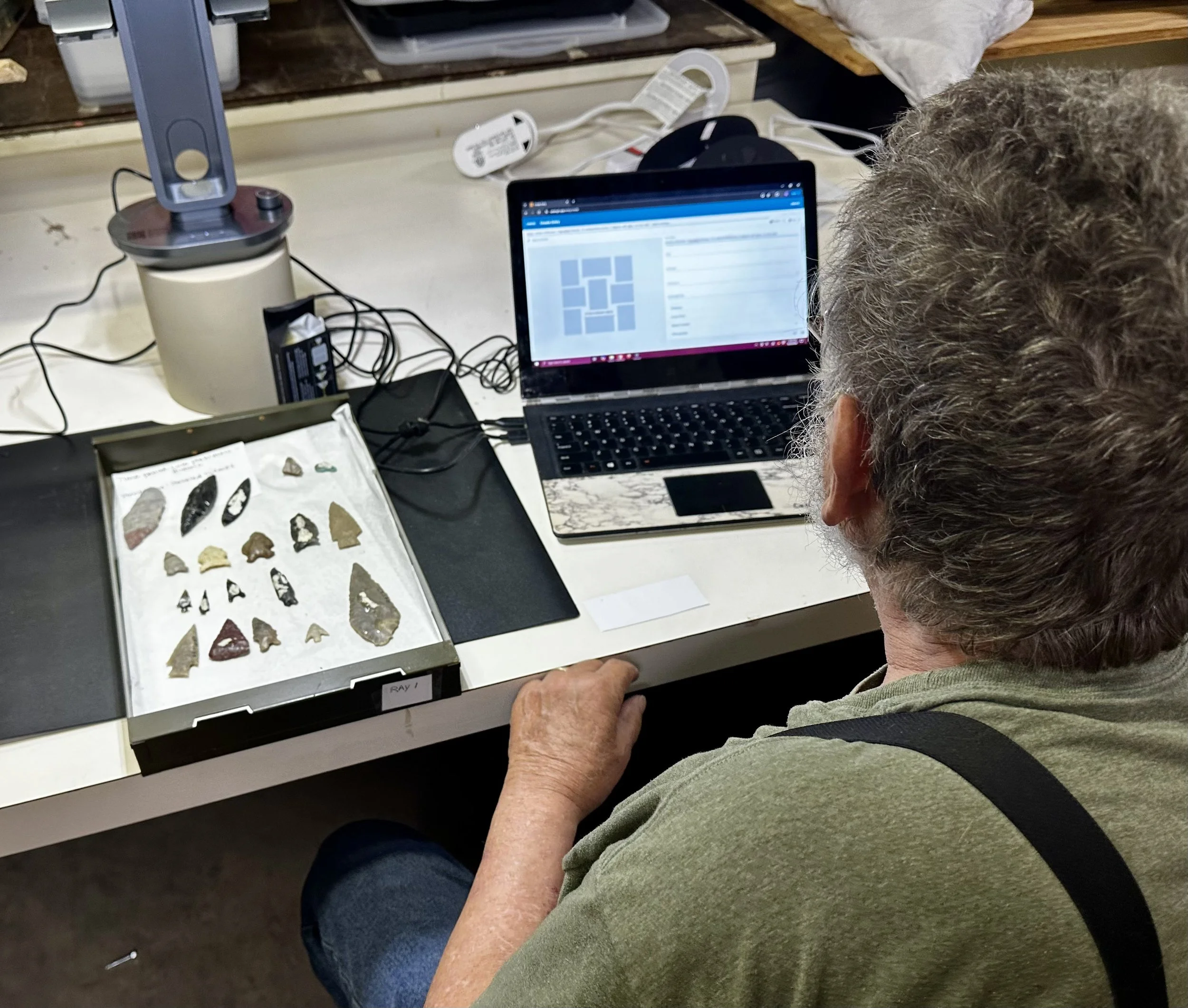
What Does the Museum Look For?
When evaluating a potential acquisition, we consider questions such as:
-
Does the object have a meaningful connection to Vernon, Wilbarger County, North Texas, or the communities served by the Museum?
-
Does it represent an important person, event, business, organization, culture, industry, or aspect of life in our region?
-
Do we have the appropriate space, equipment, environmental conditions, and resources to preserve it?
-
Could it contribute to future exhibitions, educational programs, research, or interpretation?
-
Do we know where it came from, who owned it, and how it relates to the history being preserved?
-
Does the donor expect specific conditions regarding how the object can be displayed, used, transferred, or eventually removed from the collection?
-
Some objects require specialized conservation, storage, maintenance, or insurance.
-
The Museum will not knowingly acquire objects that have been stolen, illegally exported from their country of origin, or illegally removed from historic or archaeological sites.
-
Even a valuable or historically interesting object may not be appropriate if it duplicates existing holdings or falls outside the Museum's mission.
A Note About Appraisals
The Red River Valley Museum does not appraise donated objects.
Museum staff and members of the Board of Directors cannot determine the monetary value of an item for purposes of a donation or tax deduction.
If you need an appraisal for tax or insurance purposes, you should seek an independent, qualified appraiser.
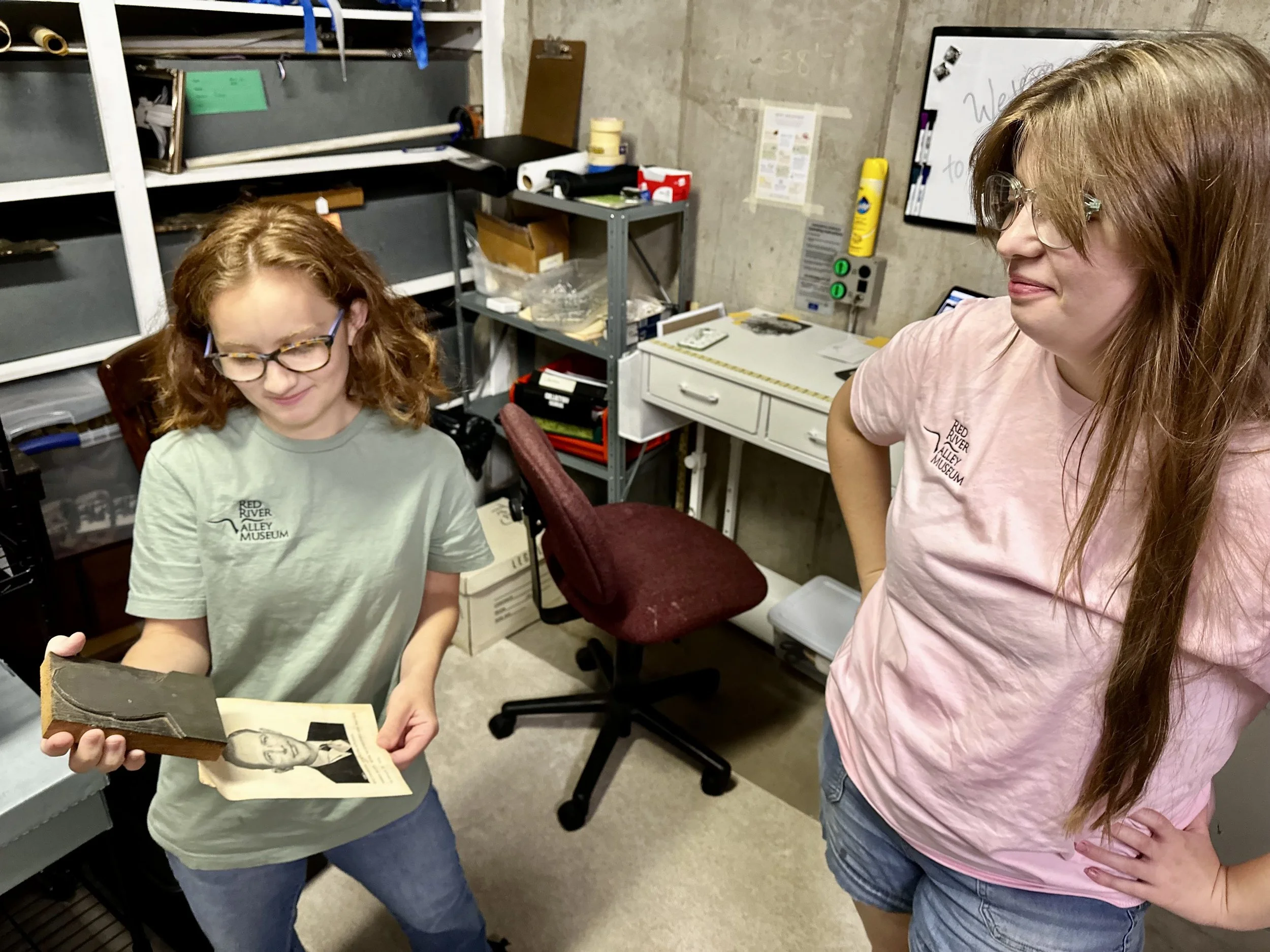
What Happens If the Museum Accepts My Item?
Accepted objects become the property of the Red River Valley Museum. The Museum must retain the ability to care for, exhibit, research, transfer, or otherwise manage objects according to its collections policies and professional standards.
This means that an accepted item may not necessarily remain on permanent display. In the future, the Museum may determine that an object should be moved to storage, exchanged, transferred, sold, or otherwise removed from the collection in accordance with its collections and deaccessioning policies.
This is an important part of responsible museum collections management.
Before You Bring Something In...
Please don't simply drop off or mail an item to the Museum.
Our staff may not be able to accept or evaluate an object immediately, and we want to make sure that every potential donation receives appropriate consideration.
Instead:
Call: 940-553-1848
Email: cooper@rrvmuseum.org
If possible, send us a photograph of the item, information about where it came from, who owned it, its approximate age, and any known connection to the Vernon/Wilbarger County area.
We appreciate your understanding and, most importantly, we appreciate your desire to help preserve our community's history.